


Becap proyect, ensuring STEM knowledge for vulnerable communities in Valle del Cauca, Colombia.
- Jhon Mauricio Ceron Bolaños
- Mar 13
- 4 min read

Updated: May 3
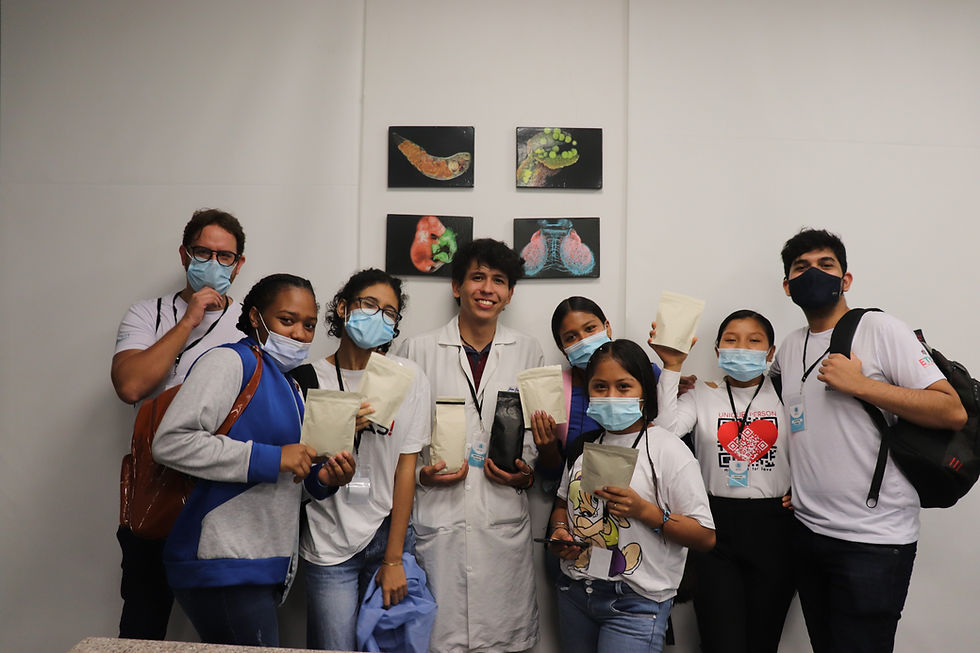
The gap in access to quality STEM education affects many vulnerable communities in Colombia, especially in Valle del Cauca. Addressing this challenge requires initiatives that bring practical knowledge and skills directly to those who need it most. The Biochemical Engineering Community Assistance Project, known as BECAP, is one such initiative. Supported by Origen Special Coffee and led by the faculty of biochemical engineering at Universidad Icesi, BECAP has completed three successful editions and is preparing for the next. This project combines scientific learning with community engagement, focusing on real-world applications like coffee production, a key industry in the region.
What is BECAP and why it matters
BECAP stands for Biochemical Engineering Community Assistance Project. It is a social initiative designed to bring biochemical engineering knowledge to vulnerable communities. The project is organized by the biochemical engineering faculty at Universidad Icesi and sponsored by Origen Special Coffee, a company deeply connected to the coffee industry in Colombia.
The goal of BECAP is to provide hands-on STEM education that is relevant to local industries and community needs. By focusing on biochemical engineering principles applied to coffee production, BECAP helps participants understand the science behind a product that is both culturally and economically important in Valle del Cauca.
This approach supports community development by:
Building scientific literacy in practical fields
Connecting academic knowledge with local economic activities
Empowering participants to improve production processes and quality
Creating opportunities for further education and employment
The journey through BECAP editions
Jhon's BECAP participation has completed three editions so far: Becap 1, Becap 2, and Becap 3. Each edition has built on the previous one, expanding its reach and refining its educational content. The project has grown so much, they are in the editon 8 now, as it is made a Becap every semester of the year.
Becap 1
The first edition focused on introducing biochemical engineering concepts to participants, with a special emphasis on coffee production. Jhon, the project coordinator and presenter, led sessions that explained the coffee production process from bean to cup. The edition concluded with a specialized coffee tasting, allowing participants to connect theory with sensory experience.

Becap 2
Building on the success of the first edition, Becap 2 introduced more detailed biochemical processes involved in coffee fermentation and quality control. The sessions included interactive workshops where participants could observe and participate in coffee processing techniques. This edition strengthened the link between STEM education and local coffee producers.

Becap 3
The third edition expanded the project’s scope by including more community members and deepening the scientific content. Jhon continued to lead the coffee-focused sessions, emphasizing sustainable practices and innovations in coffee production. The coffee tasting at the end of the sessions became a highlight, showcasing the diversity of flavors and the impact of biochemical processes on taste.

What to expect from the upcoming BECAP edition
The upcoming BECAP edition promises to continue this valuable work. With the experience gained from the previous editions, the project team plans to:
Reach more vulnerable communities in Valle del Cauca
Introduce new topics related to biochemical engineering and coffee science
Enhance practical workshops with updated techniques and tools
Foster stronger connections between academia, industry, and communities
Origen Special Coffee remains a key sponsor, supporting the project’s mission to blend education with local culture and economy. Jhon will once again coordinate and present sessions, ensuring continuity and quality in the learning experience.
How BECAP impacts the community
BECAP’s impact goes beyond education. It creates a space where vulnerable communities can access STEM knowledge that is directly applicable to their environment and livelihoods. The project:
Encourages youth and adults to pursue STEM careers
Improves understanding of coffee production, leading to better quality and sustainability
Builds confidence and skills that can open doors to new opportunities
Strengthens community ties through shared learning experiences
The project’s focus on coffee is particularly meaningful in Valle del Cauca, where coffee farming is a major source of income. By linking biochemical engineering with coffee production, BECAP helps participants see science as a tool for improving their daily lives.
How to follow and support BECAP
BECAP shares updates, photos, and stories from each edition on their Instagram feed @becap_icesi. This platform offers a visual glimpse into the sessions, workshops, and community interactions.
Additionally, photos from each BECAP edition, including those featuring Jhon’s presentations, are available on a dedicated gallery site: jhonwixaccount.wixsite.com/website-1/galería.
Supporting BECAP can take many forms:
Sharing their content to raise awareness
Connecting local communities with the project
Encouraging educational institutions to adopt similar models
Sponsoring or volunteering to expand the project’s reach
Final thoughts on BECAP’s role in STEM education
BECAP demonstrates how STEM education can be made accessible and relevant to vulnerable communities by focusing on local industries and practical applications. The project’s success across three editions shows the value of combining academic expertise with community needs.
As BECAP prepares for its next edition, it invites more people to join in supporting this important work. By bringing biochemical engineering knowledge to Valle del Cauca’s coffee producers and learners, BECAP helps build a stronger, more informed community ready to face future challenges.
Comments